Why We’re Building Raven
Our ambition is to give plant engineers more capacity to investigate, improve and carry work through with frontier AI.


Priyansh Srivastava & Sriyansh Srivastava
Co-founders, Raven
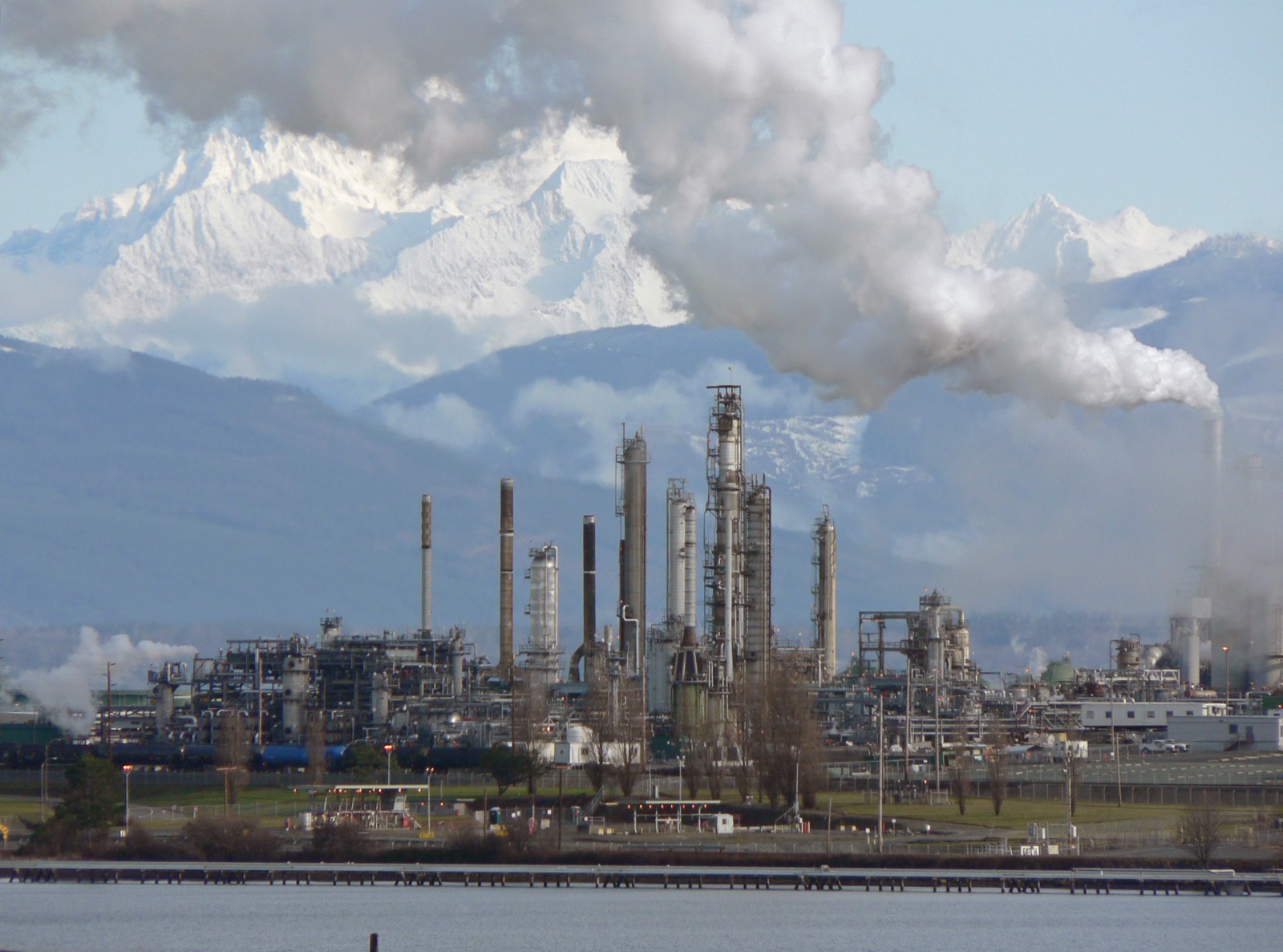
Process plants make the fuels, materials and chemicals the world depends on. Their next improvement may begin with an engineer investigating a recurring failure, evaluating a new piece of equipment or finding a better way to carry out a maintenance job. We want AI to give those engineers more capacity to pursue that work.
We founded Raven in 2024 to bring frontier AI into process plants. Our ambition is for engineers to delegate complex technical work to AI that understands their plant and can work through its problems. More ideas investigated. More improvements pursued. More work carried through.
More capacity for engineering
A vendor evaluation can mean working through a specification, several offers and pages of technical differences. Preparing a maintenance job can require the equipment history, manuals, spares and isolation requirements. Each job draws on experience as well as information, and each competes for an engineer's time.
We see an opportunity for AI to take on substantial parts of that work: compare the offers, investigate the differences, work through the requirements and prepare a result the engineer can use. The value is the completed analysis, plan or evaluation and the time it gives the team to act on it.
Over time, we believe this could change how much a plant team can achieve. An improvement that would otherwise wait could be explored. A recurring equipment problem could receive a deeper investigation. Engineers could spend more time considering alternatives and carrying useful changes into practice.
Built around the plant
Making AI useful here takes an understanding of the equipment, processes and engineering requirements involved. A pump's duty matters when evaluating its replacement. Its connections matter when planning an isolation. Previous failures matter when investigating why it has stopped again.
Drawings, vendor documents, maintenance records and procedures hold different parts of that picture. Raven connects this information around the plant's assets so it can be used together. An interactive P&ID is one way into it: select a piece of equipment and find the documents and history that belong to it.
That understanding gives the AI a foundation for doing useful work. It also gives the engineer a way to inspect the result against the underlying sources and make the final decision.
Software and plant experience, together
Raven brings software engineers and experienced plant professionals together. Building useful AI for a process plant calls for both: the ability to turn advances in technology into working software, and the experience to understand what a good engineering result needs to contain.
Working alongside plant teams helps us connect those two disciplines. The questions are practical: what work needs doing, what information it depends on, and what the engineer needs in order to use the result.
We are backed by Y Combinator and share a long-term ambition to bring the most capable technology we can build to the people operating, maintaining and improving process plants.
The future we're building
We see a future where a plant engineer can hand AI a complex job and receive a substantive piece of work: an evaluation, an investigation or a plan that reflects the plant's requirements. Where the team can explore more possibilities without every new question becoming another demand on the same few people.
That is why we're building Raven. To expand what plant engineers can achieve, with AI built for the depth of their work.
About the authors
Priyansh & Sriyansh Srivastava are the co-founders of Raven. They bring software engineers and plant professionals together to build AI for process plants. Meet the team behind Raven.