
Why a Small Plant Change Can Trigger a Large Review
A valve, line, or instrument may change in one place. The engineering review still has to find every drawing, procedure, safeguard, and record that may be affected.

Priyansh Srivastava
Co-founder & CEO, Raven
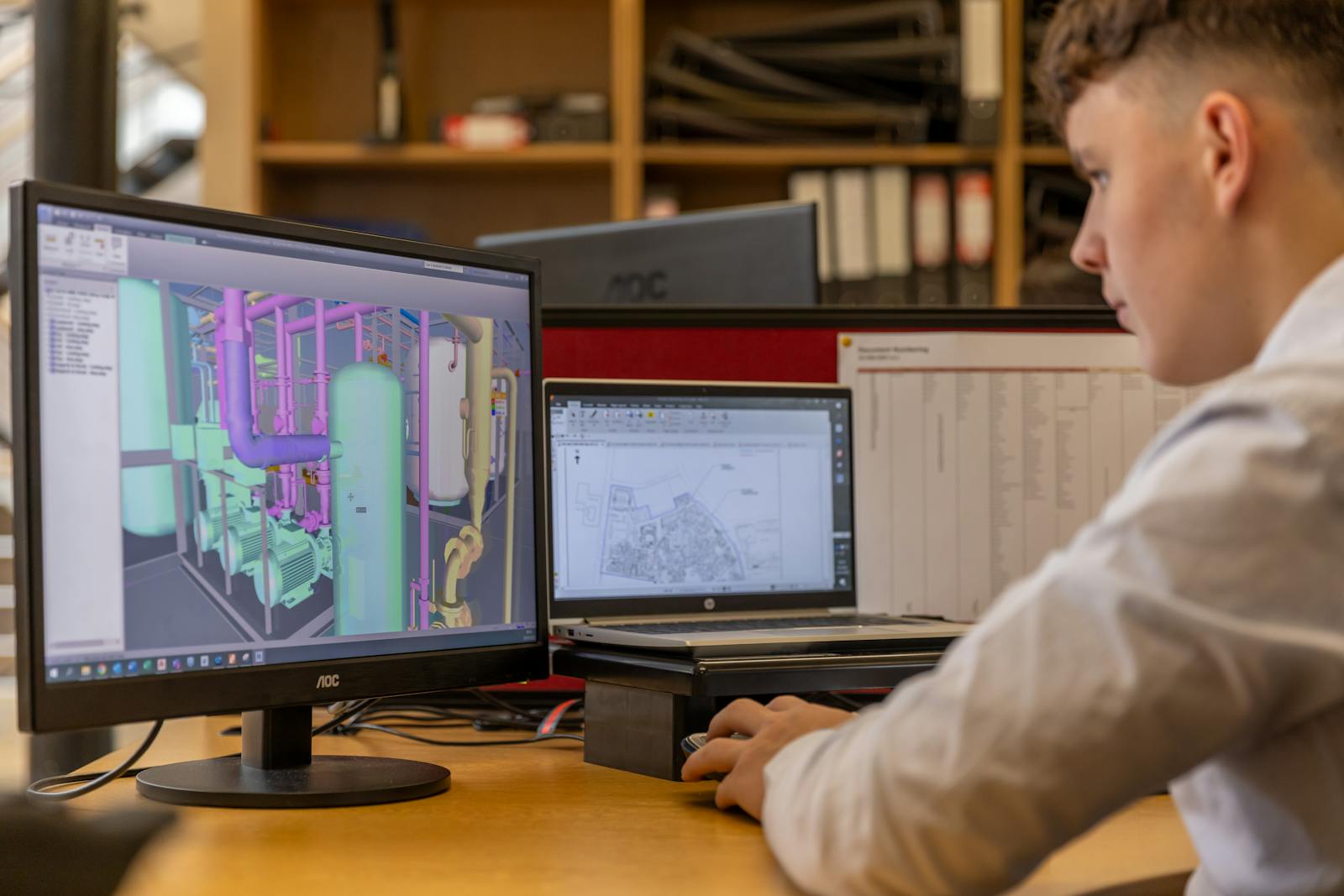
A change request lands on an engineer's desk: replace a control valve, reroute a line, update an interlock. The markup may fit on a single P&ID. The review will not. Before anyone approves the change, the team has to work out which procedures, safeguards, datasheets, loop drawings, and operating limits may also need attention.
That is why a small plant change can create a large review. The physical change is bounded. Its consequences can reach across several drawings, documents, systems, and teams.
The markup is only the starting point
A P&ID shows where the proposed change sits in the process. It does not, by itself, tell the reviewer which operating procedure mentions the valve, which interlock depends on the instrument, or whether a vendor document still describes the old arrangement. Those answers usually live in different places because the plant created them for different purposes.
The team therefore reviews the change in two directions. It follows the process around the affected equipment, and it follows references out into procedures, safeguards, drawings, maintenance records, and prior changes. The second direction is where a local modification becomes a plant-wide information problem.
The review grows at the boundaries
The difficult questions often sit just outside the marked-up area. Does the new valve change an isolation step? Does the instrument appear in a cause-and-effect document? Does the maintenance plan refer to the old model? Is another drawing connected through an off-page line?
An experienced reviewer knows to ask these questions. The slow part is finding the current source for each answer and checking whether two sources disagree. A folder search can find a document with the right tag. It cannot reliably show what else is connected to the changed line or which revision should govern the review.
This is not a criticism of the plant's systems. The DMS, EAM, engineering archive, and approved drawings each have a job. The gap appears when one engineering review has to move across all of them.
A useful first pass shows its work
Software can prepare the first pass of this review, but only if it leaves the engineer in control. A useful draft identifies the affected objects, lists the sources it used, shows the relevant passages, and keeps conflicts visible. Missing evidence should stay missing. The system should not smooth uncertainty into a confident answer.
That standard matters because the engineer is still accountable for the decision. A draft that saves preparation time but takes longer to verify has not improved the review. The real measure is whether the responsible person can check the sources, correct the draft, and reach a decision with less repeated work.
Keep the drawing in view
The most natural place to review an equipment or line change is the P&ID. The drawing shows the process relationship that a list of documents cannot. If the drawing is interactive, a reviewer can select the changed object, follow connected equipment and lines, and open the relevant documents beside it without losing orientation.
This is the product idea behind Raven. Raven makes existing P&IDs interactive, connects each object to its source material, and prepares a first review for an engineer to check. The internal data layer does the joining. The user sees the drawing, the affected plant items, the sources, and the work that needs review.
The next change should begin further ahead
A completed review should leave more than a PDF in a folder. The approved correction, the governing source, and the decision should remain linked to the affected drawing objects. When the next revision arrives, the team should be able to see what changed and reuse what was already checked.
This is where the underlying information base earns its place. Plant teams do not have to think about a graph or a context layer. They should notice that the next review starts with more of the plant already connected and more of the prior reasoning still available.
Review time is the measure
The point is not to remove engineering judgment from a plant change. It is to give that judgment a better starting point. The review should begin with the likely affected objects and documents already identified, then let the engineer decide what matters.
A small modification will still deserve a careful review. It should not require the team to rediscover the same plant relationships each time.
About the author
Priyansh Srivastava is co-founder and CEO of Raven (YC S22). Raven makes existing plant P&IDs interactive so engineers can find information and prepare engineering work directly from the drawing.