Why Two Software Engineers Came Back to Manufacturing
We grew up around Hazira, built software for fast-moving startups, and returned home before we understood what we wanted to build.


Priyansh Srivastava & Sriyansh Srivastava
Co-founders, Raven
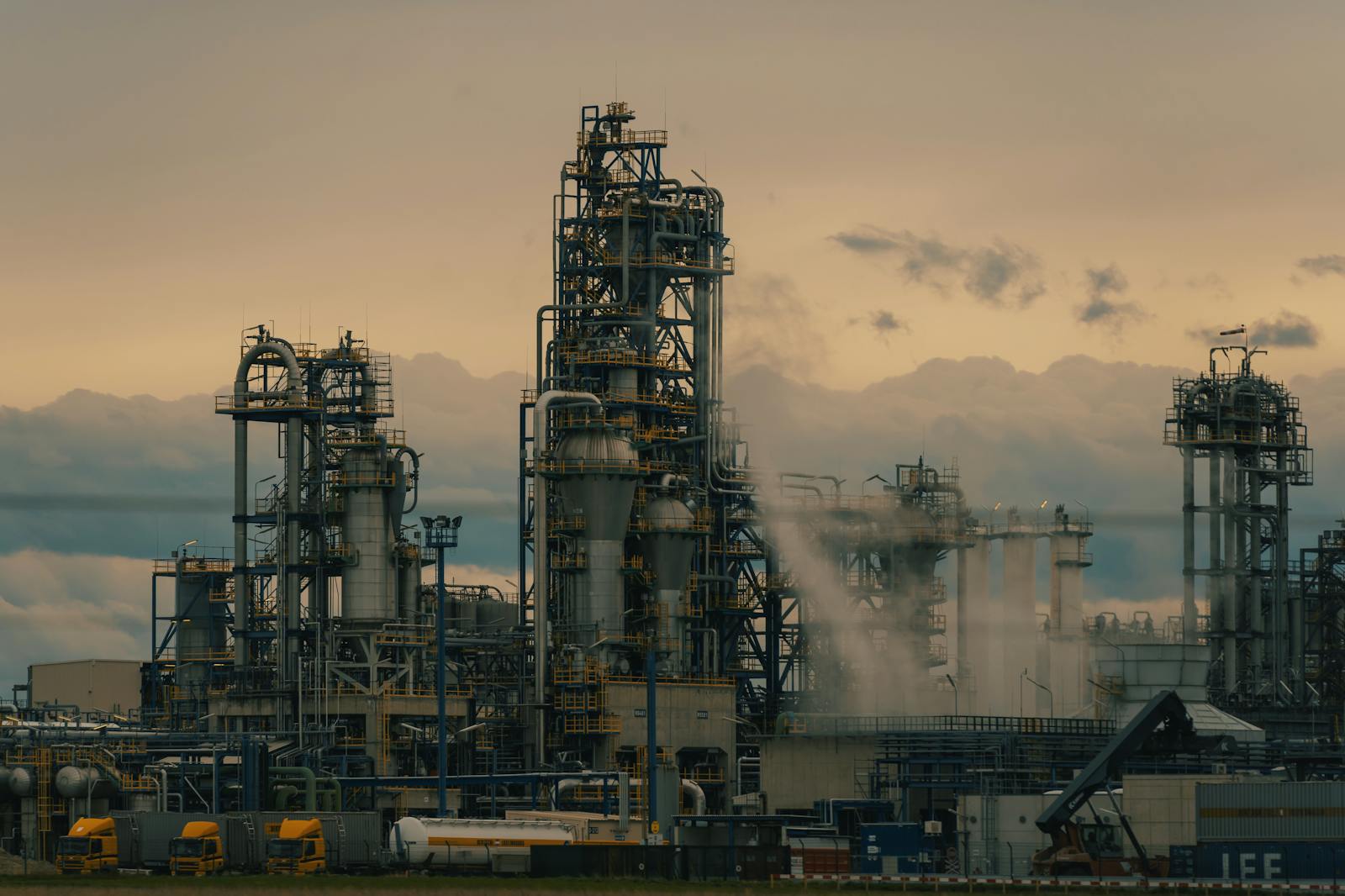
When we were children, a family day at the Reliance plant in Hazira meant walking into a place that felt larger than the city around it. We noticed the towers, pipes, machinery, and noise. We did not notice the drawings, procedures, maintenance records, and engineering decisions that kept the plant running.
Those came into view much later. By then we had become software engineers, moved away from Surat, and built systems for technology startups. Manufacturing was part of our family history, but it was not yet our work.
The plant was always close
Surat sits beside one of India's largest industrial clusters. Hazira was where our father, Manoj Srivastava, worked and where many of the names we heard at home came from: Reliance, ONGC, KRIBHCO, Shell, L&T, GAIL, and GSPC. Shutdowns, maintenance, equipment problems, and production targets were ordinary dinner-table subjects.
Familiarity is not the same as expertise. We knew the vocabulary because we had heard it for years. We did not know what it felt like to prepare a plant change, trace an isolation, check a vendor document, or find the current source during a review. That distinction became important later.
We became software engineers first
Priyansh worked at Apna and Sriyansh at OkCredit. We learned how to build software that had to keep working as teams, users, and data grew. The problems were technical, but the useful lessons were often about people: a system only matters if it fits the way someone already works and makes the next decision easier.
We started Raven Dev after returning to Surat in 2020, and Raven joined Y Combinator's Summer 2022 batch. At that point our ambition was broad: build useful software for industries that had not benefited from the same product attention as consumer technology. It was too broad to be a product thesis, but it put us in the right conversations.
Coming home changed the question
The conversation that moved us toward manufacturing did not begin with a product idea. Our father was describing how engineering and operations teams work through an equipment problem, a change, or a review. The P&ID might be open on one screen. The procedure, vendor manual, maintenance history, and earlier decision would be somewhere else.
He had spent his career across Oil India, Reliance, Petro Rabigh, OPaL, and Haldia Petrochemicals. What sounded to us like an information problem was, to him, simply part of doing the job. Experienced people knew where to look, which source to trust, and who to call.
That conversation changed the question for us. We stopped asking where new technology could be added to a plant and started asking where ordinary plant work was still harder than it needed to be.
Our father described work, not technology
Plant teams already had systems. They had drawings, a document repository, maintenance software, vendor files, procedures, and people who knew the unit. The problem was not a lack of information. The problem appeared when one job required several of those sources at once.
A maintenance engineer does not wake up wanting a better information layer. They want to prepare the job with the correct manual, history, spares, and isolation points. A process engineer wants to review a change and see what else may be affected. A procurement engineer wants vendor bids checked against the specification. The software has to begin with that job.
The connected information underneath matters because it makes those jobs possible. It is the foundation, not the story a user has to buy.
The P&ID gave the problem a shape
The P&ID became the centre of Raven because it is already the shared process view for many plant jobs. Equipment, lines, valves, and instruments are visible there. The related documents, history, and decisions usually are not.
Raven makes an existing P&ID interactive. An engineer can click an equipment item or line, open the relevant sources beside the drawing, and prepare familiar work for review. AI helps search, connect, and draft. The engineer remains responsible for the decision.
What we are building now
We are building Raven around a simple sequence: find the information, understand what is connected, prepare the work, and review it. The same foundation can support a plant change, maintenance job, isolation, investigation, integrity review, or vendor-document check. The user should still see one familiar plant view and one clear job.
Our background in software helps us build the system. Our father's experience helps us ask better questions. Neither replaces the plant engineer who knows the unit and owns the work.
What we had to learn
Growing up near Hazira did not give us the answers. It gave us enough familiarity to listen when experienced plant people described the real work. Coming back to manufacturing meant learning to begin there.
About the authors
Priyansh & Sriyansh Srivastava are the co-founders of Raven (YC S22). They grew up in Surat, built software at Apna and OkCredit, and now work with plant teams on Raven's interactive P&ID and engineering-work products.